Wisdom Teeth Removal Oxnard CA: A Guide for First-Time Patients
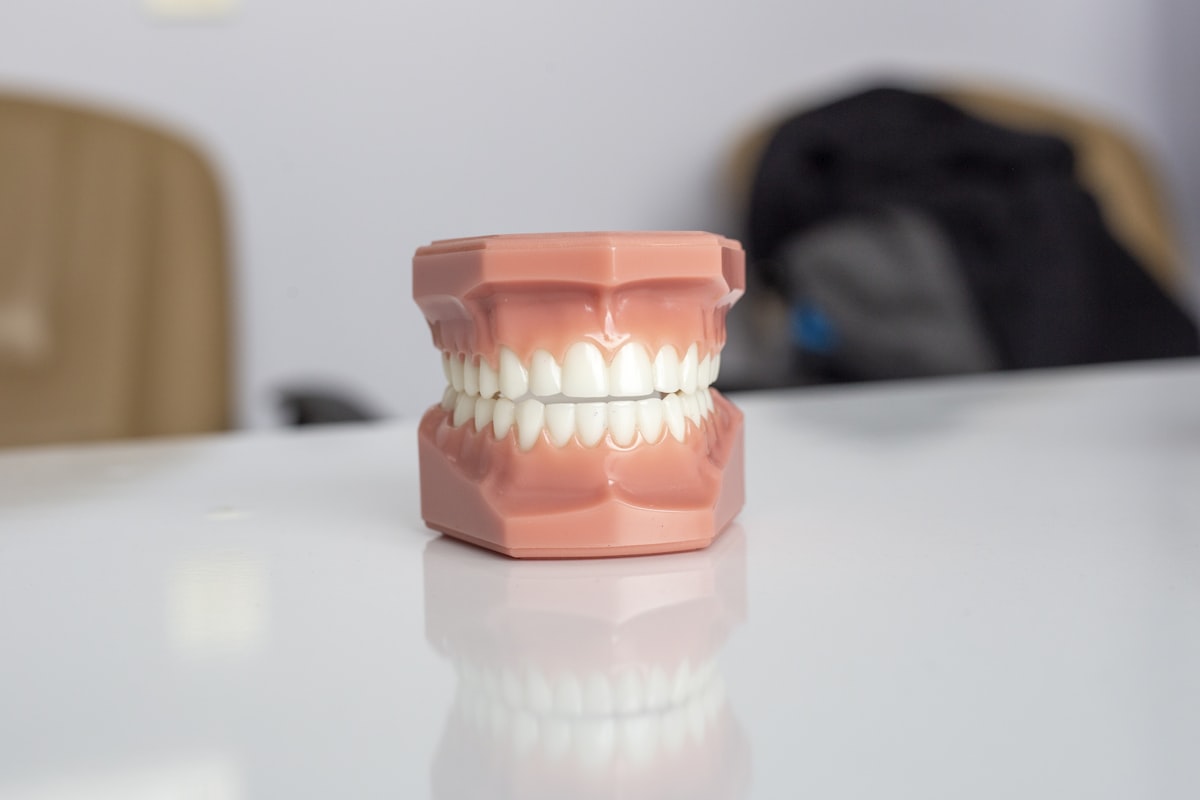
For many people, wisdom teeth removal is the first oral surgery they ever face. That alone can make the process feel bigger than it is. Add in the unfamiliar terms, the idea of sedation, and the stories people trade about swollen cheeks and living on mashed potatoes, and it is easy to see why first-time patients often walk into the appointment with a long list of worries.
If you are looking into Wisdom Teeth Removal Oxnard CA, it helps to know what actually happens before, during, and after the procedure. Most cases are straightforward. The stress usually comes from uncertainty, not from the surgery itself. When patients understand the reason for removal, what recovery usually looks like, and which symptoms are normal versus concerning, they tend to do much better.
The details matter. Some wisdom teeth come in without trouble and can be monitored. Others stay trapped under the gums, press against neighboring teeth, or create pockets that are hard to clean. In those cases, waiting too long can make a simple issue more complicated. That does not mean everyone needs immediate surgery. It means the decision should be made based on imaging, symptoms, age, and the anatomy of the teeth.
Why wisdom teeth cause problems in the first place
Wisdom teeth are the last molars to develop, often appearing in the late teens or early twenties. Human jaws do not always have enough room for them. When space is limited, a wisdom tooth may erupt only partway, remain fully impacted under the gum, or angle toward the second molar instead of growing upright.
That creates several practical problems. A partially erupted wisdom tooth can act like a food trap. The gum around it may stay irritated because the area is difficult to brush and floss well. Patients often describe a sore flap of tissue, bad taste, or swelling near the back of the mouth. That may be the first sign of pericoronitis, which is inflammation or infection around a partially erupted tooth.
Impacted teeth raise other concerns. They can push against the tooth in front of them, contribute to decay where two teeth meet, or increase the risk of gum disease in a spot that is already hard to reach. Some impacted teeth develop cysts, though that is less common. In many cases, the problem is not dramatic pain. It is a slow buildup of issues that are easier to treat earlier than later.
Age plays a role as well. Younger patients often recover faster because the roots may not be fully formed and the bone is generally more forgiving. That does not mean adults cannot have successful surgery. They can, and do, every day. It simply means the conversation about timing should be grounded in the individual patient, not in general fear.
Signs that it may be time to get evaluated
A surprising number of first-time patients assume the tooth has to hurt badly before they should schedule a consultation. That is not always true. Some of the clearest reasons to seek an evaluation are subtle. Repeated gum irritation behind the last visible molar, food collecting in the area, jaw soreness, or swelling that comes and goes are all worth discussing.
Dentists also identify wisdom tooth issues on routine X-rays before symptoms appear. That can feel frustrating when a patient says, “But they do not bother me.” The point of the recommendation is often prevention. If imaging shows a tooth trapped sideways against another molar, the concern is what happens over time, not just what you feel today.
For patients considering Wisdom Teeth Removal Oxnard CA, the local factor matters mostly in logistics rather than in the biology of the teeth. You want a practice that gives clear instructions, explains sedation options honestly, and provides reliable follow-up if you have questions during recovery. Technical skill matters, of course, but communication matters more than many people realize, especially when it is your first procedure.
What happens at the consultation
The consultation is where much of the anxiety should be resolved. You should expect a review of your dental and medical history, an exam, and imaging, often panoramic X-rays and in some cases 3D imaging. The surgeon or dentist will look at the position of the wisdom teeth, how close the roots are to nearby structures, and whether the surrounding gums or adjacent molars already show damage.
This is also the time to talk through the practical details. If you take blood thinners, have asthma, deal with severe anxiety, have had trouble getting numb in the past, or have a history of nausea with sedation, say so. Those details affect planning. Good surgical planning is not glamorous, but it is what keeps procedures smooth.
Patients often ask whether all four wisdom teeth need to come out at once. Sometimes yes, sometimes no. If all four are problematic or likely to become problematic, removing them in one visit can make sense. It condenses recovery into one window. On the other hand, there are situations where staged treatment is reasonable, especially if only one or two teeth are causing trouble or if medical considerations suggest a more cautious approach.
Another common question is whether upper and lower wisdom teeth are equally difficult. Usually, lower wisdom teeth are the more involved extractions because the bone is denser and the roots may sit near the inferior alveolar nerve. Upper wisdom teeth are often simpler, though there are exceptions. Your imaging tells that story better than any general rule.
Sedation and pain control, what first-time patients should know
Many people use the word anesthesia loosely, but there are a few different ways wisdom teeth can be removed. Some patients do well with local anesthesia alone, meaning the area is thoroughly numbed while they stay fully awake. Others choose nitrous oxide or oral medication to relax. Deeper IV sedation is common for surgical extractions and for patients who are especially anxious.
The right option depends on the complexity of the teeth, your comfort level, your health history, and the provider’s setup. There is no prize for being extra brave. At the same time, not every patient needs deep sedation. A relatively simple upper wisdom tooth extraction in a calm patient may go quite smoothly with local anesthesia and some reassurance.
The key point is this: numbness controls pain during the procedure. Sedation controls awareness, memory, and anxiety to varying degrees. They are related but not identical. Patients sometimes fear they will “feel everything” if they are not fully asleep. In reality, if the area is properly anesthetized, you should not feel sharp pain. You may feel pressure, movement, and vibration. That is normal and often surprises first-time patients more than actual discomfort does.
After surgery, pain control typically involves a combination of prescription or over-the-counter medications, depending on the case. Many surgeons now emphasize using the least medication necessary while staying ahead of pain in the first day or two. Ice, rest, hydration, and following instructions usually matter just as much as the pills.
The day of surgery, step by step
The procedure itself is usually shorter than patients expect. The whole appointment may take longer because of check-in, monitoring, sedation preparation, and recovery before discharge. The actual extraction time depends on how many teeth are being removed and whether they are erupted or impacted.
For a simple extraction, the tooth may be loosened and removed directly after the area is numb. For an impacted tooth, the surgeon may make a small incision in the gum and remove a little bone around the tooth. Sometimes the tooth is sectioned into smaller pieces so it can be removed with less force. That sounds dramatic when described in abstract terms, but in practice it is a routine part of oral surgery.
If you are receiving sedation, you will need someone to drive you home and stay with you as instructed. That part is non-negotiable. A surprising number of patients focus on the surgery itself and forget to plan the ride, the pharmacy pickup, or the first meal. Those details matter more than they seem at first glance.
A practical preparation checklist looks like this:
- Arrange your ride home and confirm it the day before.
- Fill prescriptions in advance if the office allows it. https://www.brownbook.net/business/40954834/oxnard-dentistry
- Stock soft foods, ice packs, gauze, and water at home.
- Wear comfortable clothes and avoid heavy makeup or jewelry.
- Follow fasting instructions exactly if sedation is planned.
That last point deserves emphasis. If the office gives fasting instructions, they are there for safety. Do not “cheat a little” because your appointment is early and you feel hungry. If you are unsure whether you followed the instructions correctly, tell the staff before the procedure begins.
What recovery usually feels like
Most first-time patients imagine recovery as a single experience, but it is really a sequence. The first several hours are about numbness, gauze pressure, and getting settled at home. The next two to three days are often the peak for swelling and soreness. By the end of the first week, many patients feel significantly better, even if they are not fully back to normal.
Bleeding usually looks worse than it is because saliva dilutes small amounts of blood. Oozing on the first day is common. Steady, heavy bleeding is not. Swelling typically builds over the first 48 to 72 hours. Bruising can happen, particularly in more involved lower extractions, though not everyone gets it. Jaw stiffness is common too, especially if the teeth were deeply impacted or the mouth had to stay open for a while.
The biggest mistake I see patients make is assuming that if they feel decent on day one, they can jump back into normal routines. Then day two arrives, swelling increases, and they are caught off guard. Recovery is usually not linear. Better to plan for a few quiet days and be pleasantly surprised if you improve quickly.
Eating also takes some judgment. Soft foods are helpful, but “soft” does not have to mean flavorless. Yogurt, eggs, oatmeal, smoothies eaten with a spoon, soup that is not too hot, pasta, rice, mashed potatoes, and soft fish are all common choices. Very crunchy, spicy, or seeded foods tend to be poor choices early on because they can irritate the area or get stuck. Straws are usually discouraged right after surgery because the suction may disturb the clot.
Dry socket, infection, and other issues people worry about
Dry socket is the complication patients hear about most, often in horror-story form. It happens when the protective blood clot in the extraction site is lost too early or fails to form properly, exposing the underlying bone. The result is usually intense, deep pain that starts a few days after extraction, often radiating toward the ear or jaw. It is unpleasant, but it is treatable, and it is not the same as an infection.
The best prevention is to follow post-op instructions carefully, especially around smoking, vaping, vigorous rinsing, and using straws. Tobacco use raises the risk considerably. So does ignoring activity restrictions and going hard in the gym too soon. Patients in their late teens and twenties sometimes underestimate that part because they otherwise feel healthy.
Infection is less common than many patients fear, but it can happen. Mild bad breath and an odd taste are not unusual during normal healing. What matters is the pattern. Increasing swelling after initial improvement, fever, pus, worsening pain, or difficulty swallowing deserve prompt attention.
Call the office promptly if you notice any of the following:
- Bleeding that stays heavy despite firm gauze pressure.
- Fever, chills, or swelling that gets worse after day three.
- Severe pain that suddenly increases instead of gradually improving.
- Trouble breathing, swallowing, or opening the mouth.
- Persistent numbness that does not match the timeline your surgeon described.
That last issue deserves a careful note. Temporary numbness or tingling can happen, especially with lower wisdom teeth that sit close to the nerve. In many cases it improves over time, but the timing and severity matter. The surgeon should explain your specific nerve-related risk before treatment if the imaging suggests a close relationship.
The Oxnard factor, choosing a provider with good local follow-through
When people search for Wisdom Teeth Removal Oxnard CA, they often focus on who can schedule them soonest. Availability matters, particularly if there is pain or infection, but it should not be the only factor. For a first-time patient, the quality of communication is a major part of the care.
A good office does a few things well. It explains the imaging in plain language. It outlines sedation choices without pressure. It provides written recovery instructions that are specific and readable. It answers the question behind the question. If a patient asks, “Will it hurt?” the useful answer is not a quick “You’ll be fine.” The useful answer describes what discomfort is normal, how long it usually lasts, and how to manage it at home.
Local convenience matters too. If you live or work in Oxnard, shorter travel time is not just a luxury. It helps on surgery day, when long car rides after an extraction can feel rough, and it helps if you need a quick follow-up. Patients often overlook that until they are puffy, tired, and wishing the office were ten minutes away instead of an hour.
You should also ask how after-hours concerns are handled. Most recoveries are uneventful, but peace of mind has value. Knowing whether you can reach a clinician if something feels off on a Saturday evening makes the whole experience less stressful.
Questions worth asking before you schedule
Patients sometimes worry that asking too many questions will make them seem difficult. In practice, informed patients tend to recover better because they know what to expect and what to do. Ask whether the teeth are fully impacted, partially erupted, or erupted. Ask how close the lower roots are to the nerve. Ask what type of sedation is recommended and why. Ask how many days off school, work, or sports would be realistic for your case, not someone else’s.
If you play an instrument, sing, coach, work a physically demanding job, or have travel planned, mention that. A college student with a quiet week at home can handle recovery differently from someone who coaches outdoor practices in the sun or flies two days later. Timing matters. Around holidays and school breaks, offices often get busy, so plan ahead if possible.
Cost also deserves a plain conversation. Fees vary by complexity, number of teeth removed, sedation method, and insurance. A simple erupted extraction is not priced the same as four deeply impacted teeth with IV sedation. If you are given a treatment estimate, ask what it includes and whether pathology, imaging, medications, or follow-up visits are separate. Financial clarity reduces stress before surgery and prevents resentment afterward.
A realistic picture of the first week
By the evening of surgery, most patients are tired more than anything else. Day two may bring more swelling and stiffness. Day three is often similar or slightly better. Somewhere between days four and seven, many people feel the recovery turning the corner. That does not mean the extraction sites are fully healed. It means normal daily life starts to feel manageable again.
If stitches are used, they may dissolve on their own or need removal, depending on the material. Mouth opening often improves gradually. Lower sockets may stay tender longer than uppers. Food can collect in the area once the initial clot stabilizes, which is why some surgeons recommend gentle rinsing or an irrigation routine at a specific point in healing. Follow the instructions you were given, not a random tip from a friend whose surgery may have been very different.
One more practical point that first-time patients appreciate once they hear it: do not stare into the sockets every few hours and try to diagnose healing by internet photos. Extraction sites often look strange during normal healing. White or yellowish tissue can be part of the healing process. The story matters more than the appearance alone. If pain and swelling are improving, that is reassuring. If symptoms are sharply worsening, call the office.
When waiting makes sense, and when it usually does not
Not every wisdom tooth needs immediate removal. Some fully erupted wisdom teeth are functional, easy to clean, and healthy enough to keep under observation. Some deeply impacted wisdom teeth in older adults may remain stable for years and are better monitored than removed if the surgical risk outweighs the benefit.
The challenge is that many problematic wisdom teeth look quiet until they are not. Recurrent gum inflammation, early decay on the neighboring molar, cystic changes, or a clearly unfavorable angle often shift the balance toward removal. This is where professional judgment matters most. Good clinicians do not treat all wisdom teeth the same way. They match the recommendation to the anatomy, age, symptoms, and long-term risk.
For first-time patients in Oxnard, the best next step is not to brace for the worst. It is to get an informed evaluation, ask direct questions, and plan your recovery the way you would plan any other short medical procedure. When the process is explained well and timed appropriately, wisdom teeth removal is usually more manageable than people expect. The anxiety often fades once there is a clear plan, and that is exactly what a good consultation should provide.
Oxnard Dentistry
1730 E Gonzales Rd
Oxnard, CA 93036, United States
Phone: +1 805-307-8731
FAQ About Wisdom Teeth Removal Oxnard CA
How much does it cost to get wisdom teeth removed in California?
Fees depend on tooth position, the number of extractions, imaging and anesthesia. Oxnard Dentistry can provide an individual estimate after examining your teeth. Ask for an itemized plan and confirm insurance benefits before scheduling.
Will insurance cover wisdom teeth removal?
Coverage and out-of-pocket costs vary by policy and the treatment required. Ask the dental office and your insurer to verify benefits, annual limits and any authorization requirements. A benefit estimate does not guarantee payment.
Is 30 too old to have wisdom teeth removed?
Age alone does not determine whether extraction is appropriate. A dentist evaluates symptoms, tooth position, oral health and medical history. Healthy, functional wisdom teeth may be monitored; teeth causing disease or other problems may need treatment.
Ends · KAMERONZXBC724